Choosing the best gemstones for engagement rings is about more than selecting a beautiful colour. True longevity depends on craftsmanship, structure, and how the stone is cut, elements we explore further in our guide to understanding diamond cuts and craftsmanship.
While many couples begin their search with classic options such as lab-grown diamond engagement rings, others are drawn to coloured gemstones for their character, rarity, and meaning.
What Is a Gemstone Engagement Ring?
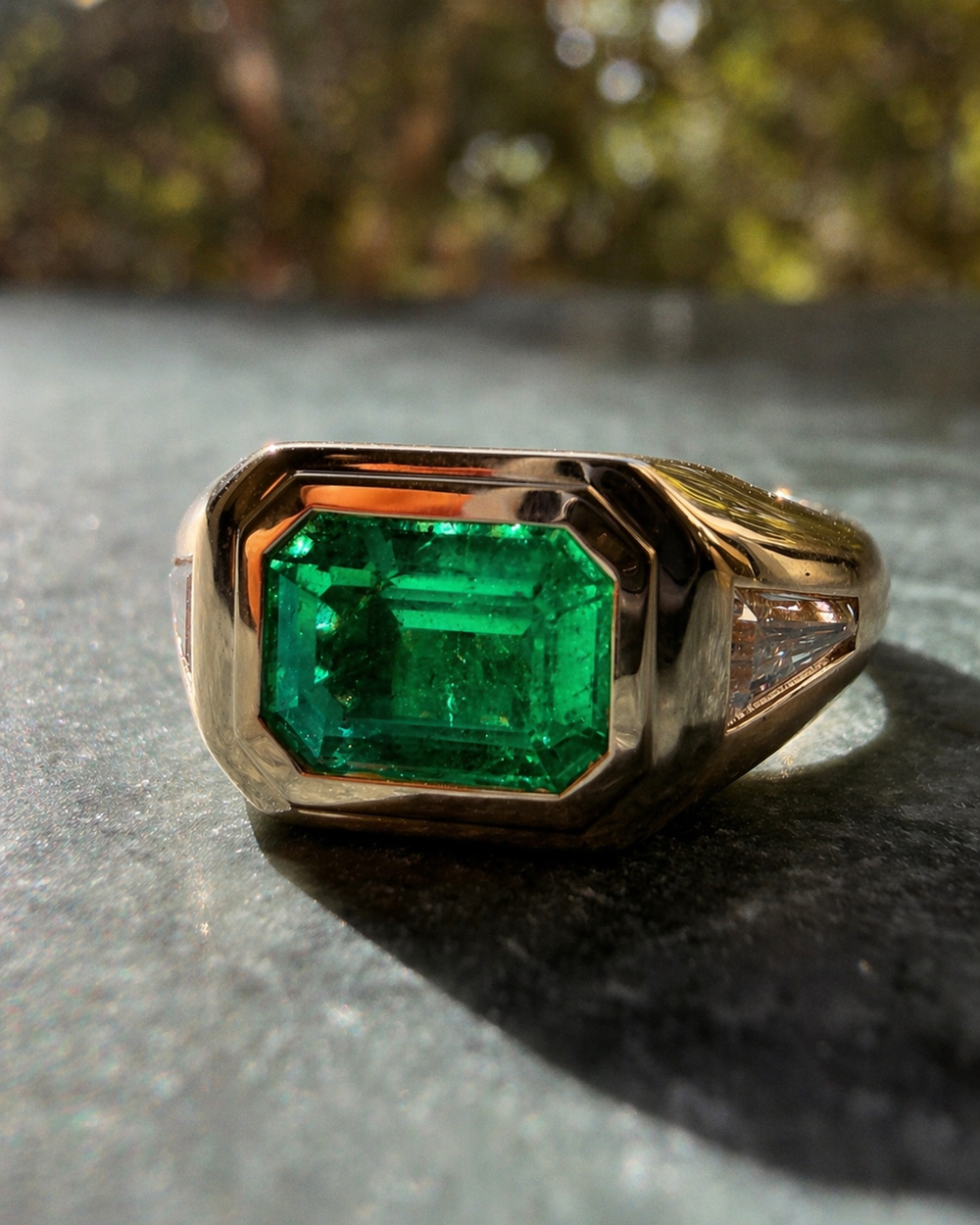
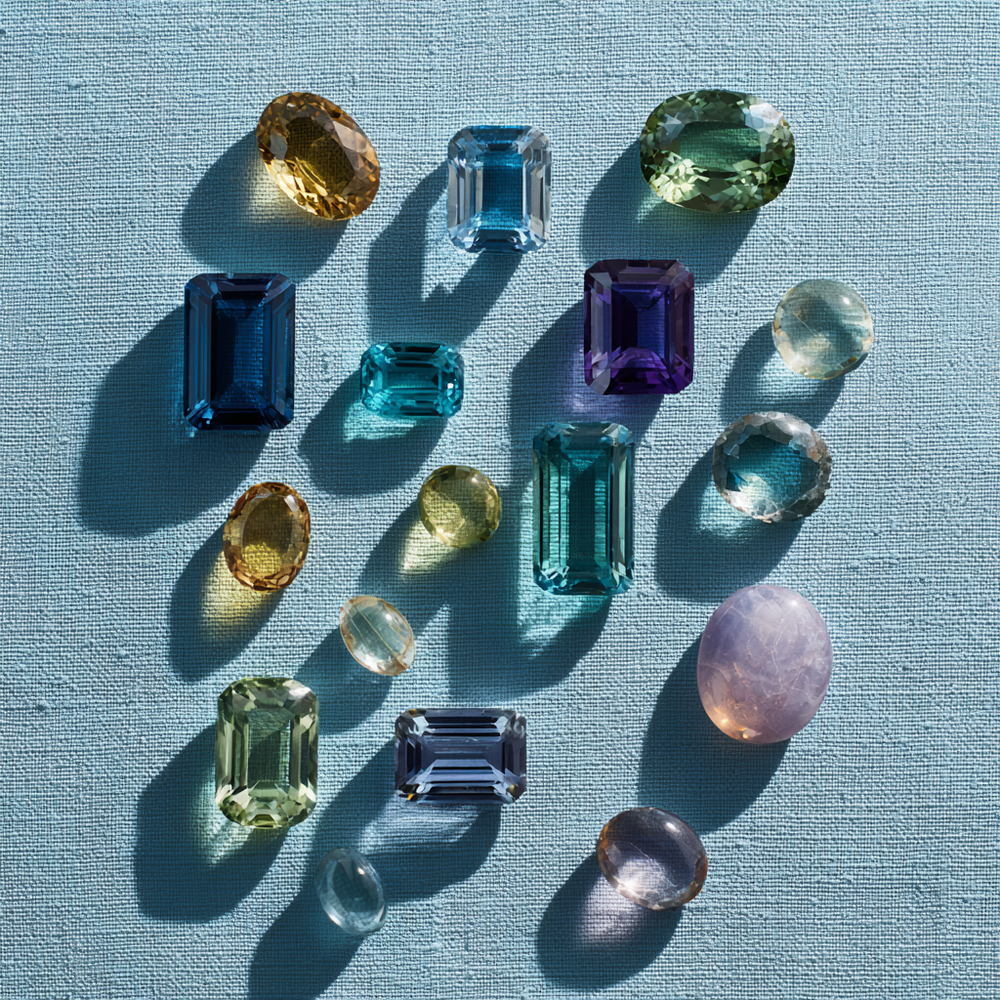
A gemstone engagement ring features a non-diamond centre stone, often set into timeless silhouettes such as solitaires, halos, or three-stone designs. Sapphires, rubies, emeralds, tourmalines, aquamarines, and spinels are among the most popular gemstones in engagement rings, each chosen for its beauty and symbolism.
However, not all engagement ring gems are suited to everyday wear. Understanding how a gemstone behaves over time is essential when choosing a ring designed to last a lifetime.
Good Stones for Engagement Rings: What Performs Beautifully Over Time
When assessing good stones for engagement rings, gemmologists look beyond appearance alone. Hardness, crystal structure, inclusion placement, and cut orientation all influence how a gemstone will perform once set.
The Mohs Hardness Scale provides a useful baseline for assessing gemstone durability, particularly for engagement rings worn daily.
Gemstone Durability for Engagement Rings (Mohs Hardness Guide)
|
Gemstone |
Mohs Hardness |
Daily Wear Suitability |
LINDELLI Guidance |
|
Sapphire |
9 |
Excellent |
Ideal for everyday engagement rings |
|
Ruby |
9 |
Excellent |
Exceptional durability and colour |
|
Spinel |
8 |
Very Good |
Refined alternative with strong wear |
|
Alexandrite / Chrysoberyl |
8.5 |
Excellent |
Rare, durable, and distinctive |
|
Aquamarine |
7.5–8 |
Good |
Suitable with mindful wear |
|
Tourmaline |
7–7.5 |
Moderate–Good |
Best in protective settings |
|
Emerald |
7.5–8 |
Moderate |
Requires expert setting and care |
Among the most reliable gems for engagement rings, sapphires and rubies remain the benchmark for durability, while spinel and chrysoberyl offer refined alternatives for clients seeking something distinctive yet highly wearable.
Why Durability Matters in Engagement Rings
An engagement ring is worn daily and exposed to dust, hard surfaces, and environmental contact. Dust itself measures approximately 7 on the Mohs Hardness Scale, meaning gemstones below this level will show signs of wear over time.
For this reason, the selection of gemstones in engagement rings should always consider lifestyle alongside aesthetics. Softer gemstones can still be used successfully, but they benefit from intentional design, protective settings, and expert guidance.
Metal choice also plays an important role in durability. Our guide to choosing the right metal for your jewellery explains how platinum and gold settings influence long-term performance and protection.
Coloured Engagement Rings: Expression Beyond Tradition
Coloured engagement rings allow couples to express personality and meaning through colour. A deep blue sapphire may symbolise loyalty, a ruby passion, and a green gemstone growth and renewal.
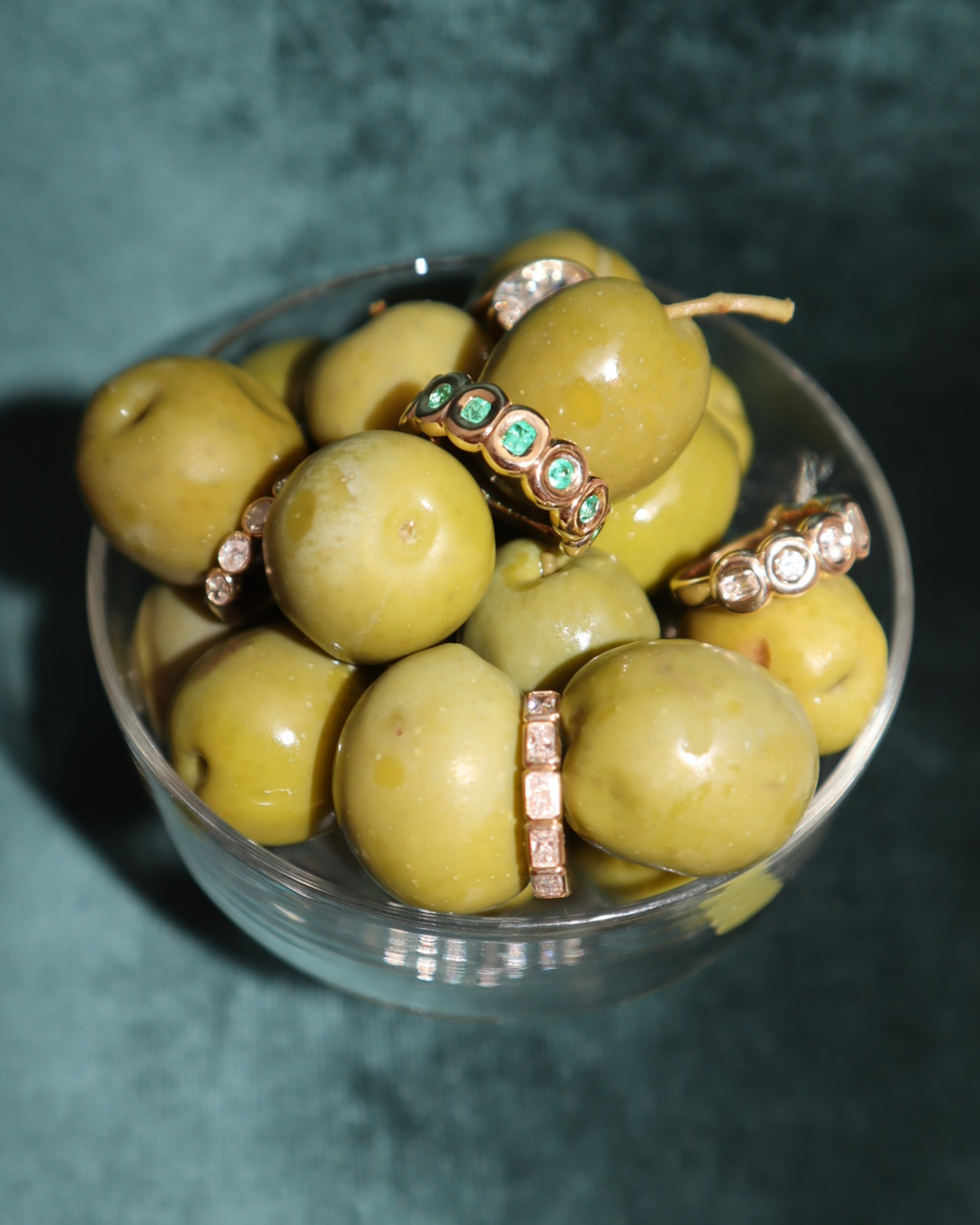
A coloured engagement ring creates space for individuality, whether through a striking centre stone or subtle gemstone accents paired with diamonds.
<H2>Coloured Stone Engagement Rings & Bespoke Design</H2>
The growing popularity of coloured stone engagement rings reflects a shift toward bespoke, design-led jewellery. Many couples choose to create custom engagement rings, allowing gemstone selection, proportions, and setting style to be tailored precisely to their vision and lifestyle. From bold centre stones to refined accent details or hidden gemstones, bespoke design ensures each ring is deeply personal and structurally sound.
Why Expert Gemstone Selection Matters
Hardness alone does not determine suitability. At LINDELLI, each gemstone is individually assessed for structural integrity, inclusion type, cut precision, and long-term durability once set. This gemmologist-led approach ensures every stone is chosen not only for beauty, but for longevity.
Choosing the Right Gemstone
The best gemstones for engagement rings balance durability, beauty, and meaning. Whether you are drawn to sapphires, rubies, spinel, or other refined gemstone options, thoughtful selection and craftsmanship make all the difference.
Visit LINDELLI
To explore gemstone engagement rings in person, you can book a private consultation with our gemmologists and designers, or visit one of our boutiques. View our locations to plan your visit and begin your bespoke engagement ring journey.
FAQs
What gemstone is best for an engagement ring?
The best gemstone for an engagement ring is sapphire. With a Mohs hardness of 9, sapphire offers excellent durability for daily wear and comes in a wide range of colours. Other strong options include ruby, spinel, and alexandrite, all of which balance beauty with long-term wearability.
What stones should not be used for an engagement ring?
Gemstones that are generally not recommended for everyday engagement rings include opal, pearl, tanzanite, morganite, amethyst, and moss agate. These stones are softer and more prone to scratching or damage. They may be suitable with careful wear, but harder gemstones are preferred for daily use.